
◂ BACK TO GEM ENCYCLOPEDIA
Pearl
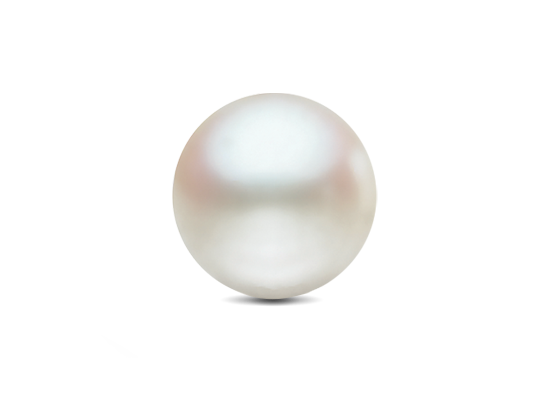
Perfect shining spheres. Lustrous baroque forms. Seductive strands, warm to the touch. Pearls are simply and purely organic.
See Gem As
Tools
Research
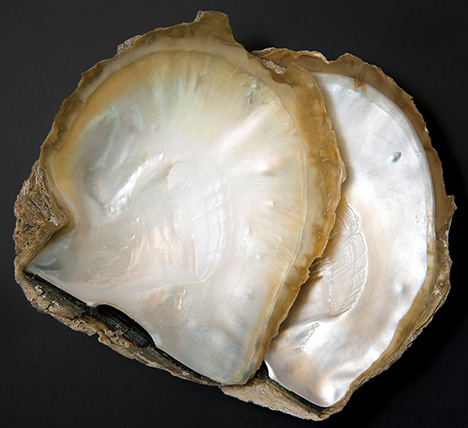
Known Non-Nacreous Non-Bead Cultured Pearls and Similar Unknown Pearls of Likely Cultured Origin from Pinctada maxima
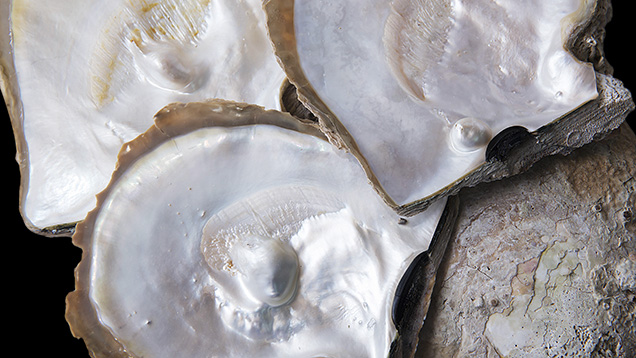
Natural Shell Blisters and Blister Pearls: What’s the Difference?
GIA researchers explore the differences between whole, blister, and shell blister pearls in this study using 33 samples from Pinctada maxima mollusks recovered off Broome, Australia.
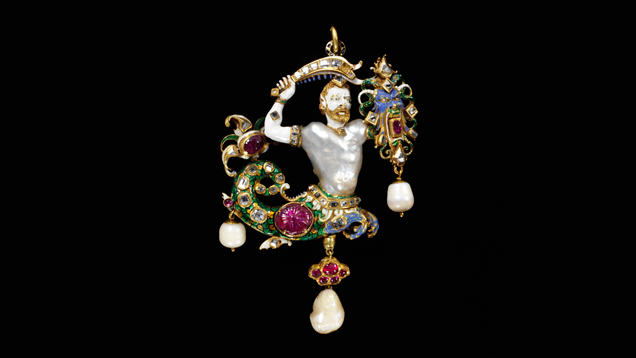
Pearl History and Lore
People have coveted natural pearls as symbols of wealth and status for thousands of years.
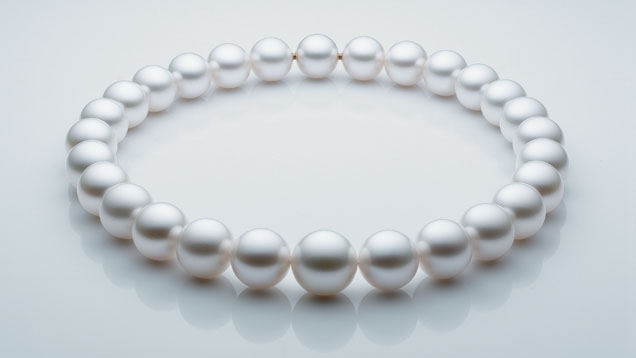
Pearl Journey
Perfect shining spheres. Lustrous baroque forms. Seductive strands, warm to the touch. Pearls are simply and purely organic
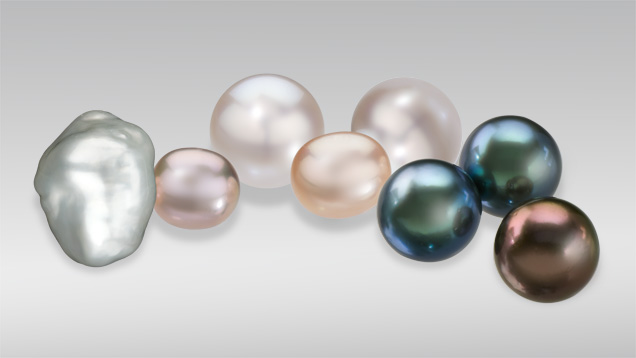
Pearl Description
Perhaps the best-loved gems of all time, pearls—both natural and cultured pearls—occur in a wide variety of colors. Learn about the factors that make pearls so popular and desirable!
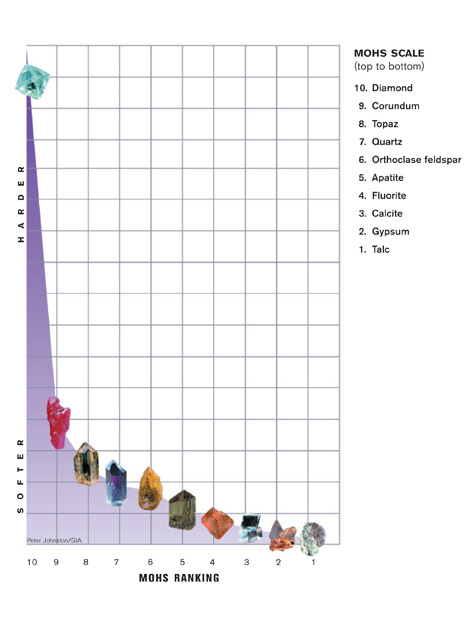
Pearl Care and Cleaning Guide
Learn about pearl's durability and how to care for your pearl jewelry.
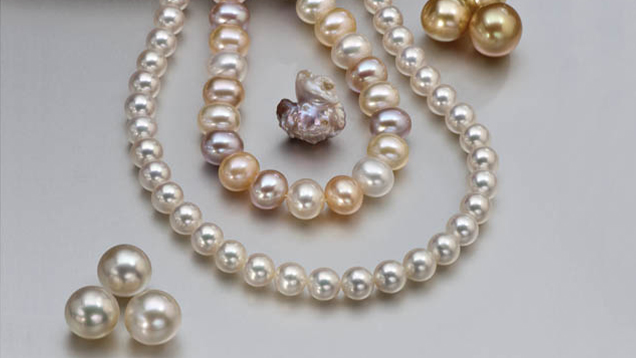
Abstracts; Winter 1991
This article, from the Winter 1991 issue of Gems & Gemology, is a compilation of abstracts of important gemology-related articles published outside of Gems & Gemology.
Abstracts; Fall 1991
This article, from the Fall 1991 issue of Gems & Gemology, is a compilation of abstracts of important gemology-related articles published outside of Gems & Gemology.
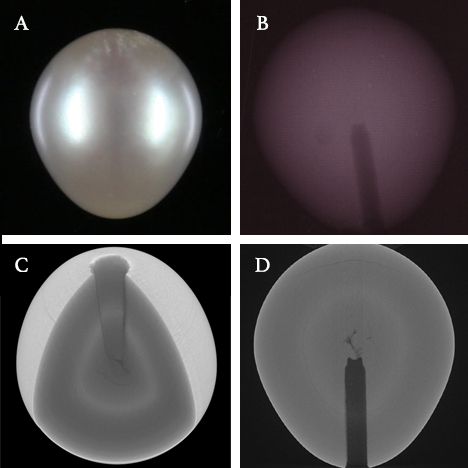
X-ray Computed Microtomography Applied to Pearls: Methodology, Advantages, and Limitations
X-ray computed microtomography reveals the internal features of pearls with great detail.
X-ray Computed Microtomography: Distinguishing Natural Pearls from Beaded and Non-Beaded Cultured Pearls
The distinction of natural from cultured pearls traditionally has been based on X-radiography.